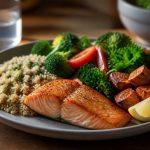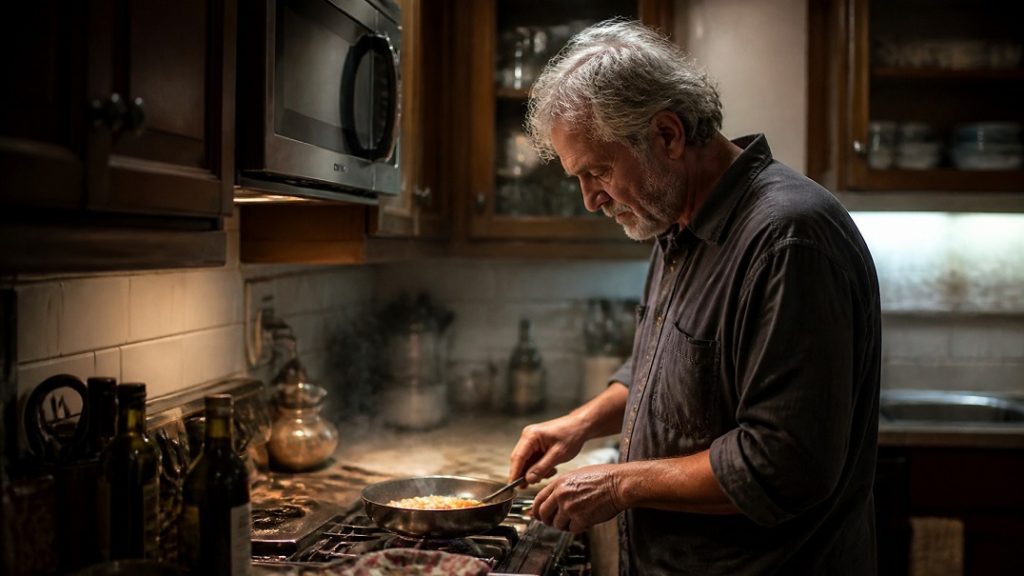
Cooking a full meal for one person can feel like a lot of effort for not much reward, especially after decades of cooking for a family or a partner. It is a common and understandable shift, and it is also one of the quieter reasons protein intake tends to slip for people who now live alone, whether due to a spouse passing, children moving out, or simply life circumstances changing. The good news is that eating enough protein alone does not have to mean cooking elaborate meals every night.
Why Living Alone Makes Protein Intake Harder
Several practical and psychological factors tend to work against protein intake specifically when cooking for one. Protein-rich foods like meat, fish, and poultry are often sold in larger packages meant for multiple servings, which can make cooking a proper portion feel wasteful or like it generates too many leftovers. Motivation to cook a full meal, including a real protein source, drops for many people when there is no one else to cook for or share the meal with. And convenience foods, which are often easy to grab but lower in protein, such as cereal, toast, or a simple sandwich, become an easier default when meal preparation feels like a chore rather than something worth the effort.
Research on this pattern, including findings discussed in a review in the The Journals of Gerontology, has found that older adults living alone, particularly men, are more likely to have inadequate nutrient intake, including protein, compared to those who regularly share meals with others.
Strategies That Reduce Daily Effort
Batch Cook and Freeze in Single Portions
Cooking a larger batch of a protein-rich dish, such as baked chicken thighs, a pot of chili, or a batch of turkey meatballs, once or twice a week and freezing it in single-serving containers can dramatically reduce the daily effort involved in eating a real protein source. This turns cooking from a nightly task into a weekly one, while still delivering the same nutritional benefit each day.
Rely on Naturally Single-Serving Foods
Some protein sources are naturally suited to eating alone without any batch cooking at all. Individual cups of Greek yogurt or cottage cheese, canned fish like salmon or tuna, hard-boiled eggs that can be prepared several at a time and kept in the refrigerator, and pre-portioned cheese are all examples of protein sources that do not require cooking a full meal or generating awkward leftovers.
Use a Toaster Oven or Air Fryer Instead of a Full Oven
Cooking a single chicken breast or a small piece of fish in a full-size oven can feel inefficient and can also make the kitchen feel unnecessarily warm for such a small task. A toaster oven or air fryer is often better suited to cooking single portions quickly, with less cleanup and less of the psychological friction that comes with “turning on the whole oven” for one piece of food.
Making Peace With Repetition
One underappreciated adjustment for cooking alone is simply accepting more repetition than you might have tolerated when cooking for a family. Eating a similar breakfast most days, or rotating through three or four simple, protein-forward dinners rather than seeking constant variety, removes a lot of the daily decision-making that can otherwise become a barrier to consistent eating. This is not a failure of creativity. It is a practical trade-off that many people cooking for one find makes consistent, adequate eating far more sustainable.
A Sample Week of Low-Effort, Protein-Focused Meals
| Meal | Low-Effort Option |
|---|---|
| Breakfast | Greek yogurt with berries, or two hard-boiled eggs made in advance |
| Lunch | Canned salmon or tuna over greens, or leftovers from a batch-cooked dinner |
| Dinner | Batch-cooked chicken, chili, or a simple air-fryer piece of fish with vegetables |
| Snack | Cheese and crackers, a protein shake, or a small handful of nuts |
While this article focuses on the practical side of cooking and eating alone, it is worth acknowledging that eating with others, even occasionally, tends to support better overall intake, including protein, than eating alone all the time. Scheduling a weekly meal with a friend, joining a senior center meal program if one is available in your area, or even eating dinner while on a video call with family are all reasonable ways to bring some of the motivation and enjoyment of shared meals back into an eating routine built mostly around solo cooking.
Grocery Shopping Strategies for One
Grocery shopping habits often need some adjustment too, since buying in the same quantities and patterns used for a larger household can lead to waste, which in turn discourages buying protein-rich perishables in the first place. Buying meat or fish in bulk and immediately portioning and freezing individual servings at home, rather than relying on the package size as sold, is one straightforward fix. Frozen vegetables and frozen portions of fish or chicken breasts, which can be cooked directly from frozen in many cases, also reduce the pressure to use up fresh ingredients within a few days, which is often a bigger barrier for someone cooking alone than the cooking itself.
When Cooking Feels Like Too Much Some Days
It is worth acknowledging that some days, cooking anything at all will feel like more effort than it is worth, regardless of how well-stocked your kitchen is. On those days, having a small stock of genuinely no-cook, high-protein options on hand, such as canned fish, individual yogurt cups, hard-boiled eggs, or a ready-to-drink protein shake, means a low-motivation day does not have to become a low-protein day as well. Building this kind of backup option into your routine ahead of time removes decision-making from the moment you are least inclined to make one.
Where to Go From Here
Many of the specific protein sources mentioned here are covered in more detail in our guide to the best protein sources for older adults, and if a reduced appetite is part of your situation as well, our article on why standard protein advice fails for people eating less covers additional strategies that pair well with the ideas here.