Body recomposition means changing what your body is made of, with less fat and more (or at least preserved) muscle, rather than only chasing a lower number on the scale. For seniors it is realistic when strength training anchors the plan, although progress is gradual and your weight may barely move while your body changes.
Body Recomposition Explained
Weight loss counts total pounds, including fat, muscle, bone, and water. Body recomposition looks at the mix. You might weigh the same in March and June yet carry less fat and more muscle, which is a real improvement in how you move and feel.
This matters after 60 because extra body fat and low muscle can show up together, a combination sometimes called sarcopenic obesity. Shifting that balance, instead of simply shrinking, is the healthier aim, because it protects the strength you rely on for everyday tasks such as climbing stairs and carrying groceries.
What Research Says About Fat Loss and Muscle Together
A 2025 meta-analysis of 53 studies in 2,873 adults aged 50 and older compared training styles. Concurrent training, which combines aerobic and resistance exercise, was as effective as aerobic training for reducing body fat measures. It also produced greater lean body mass gains than aerobic training alone and was about as effective as resistance training alone for muscle mass.
That fits a 2017 trial of 160 adults over 65 with obesity. According to Harvard Health, the groups that included resistance training kept more muscle and gained more strength during 26 weeks of weight loss than the aerobic-only group. Together, these studies point to the same recipe: resistance training plus some aerobic work. Aerobic exercise helps with fat loss and heart health, while resistance training protects and builds the muscle you want to keep. Neither alone does both jobs as well.
Lessons From Master Athletes
Researchers who studied older lifters found that master weightlifters have higher muscle power than sedentary people of the same age, and their power is similar to that of sedentary people up to 20 years younger. Even these athletes show age-related declines, so training slows the slide rather than stopping it completely.
That is good news for a recomposition goal. You do not need to turn back the clock to benefit. Every year of better muscle function is a year of easier stairs, steadier walking, and more independence.
Building a Recomposition Routine
A practical routine follows the U.S. Physical Activity Guidelines for older adults: muscle-strengthening activity on at least two days a week for all major muscle groups, plus 150 to 300 minutes of moderate aerobic activity weekly. Add balance work as well, since the guidelines recommend multicomponent activity.
Food matters too. Harvard’s Men’s Health Watch notes that older adults appear to need more protein than younger adults, and a registered dietitian can help you fit enough into a smaller calorie budget. Our guide to spreading protein through the day can help you plan meals.
How to Track Progress Beyond the Scale
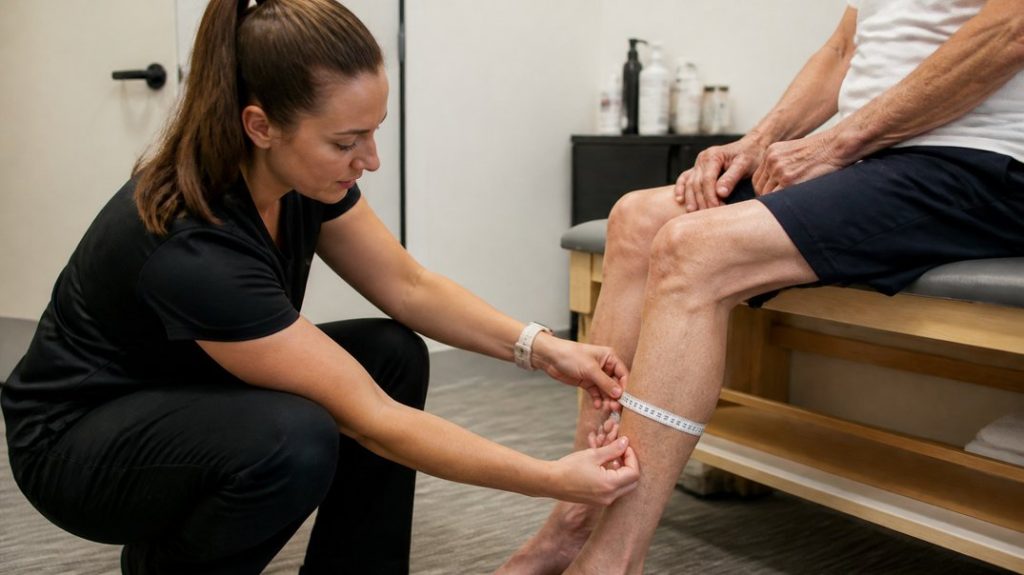
Because muscle and fat changes can cancel out on the scale, track other signals. Measure your waist monthly, note how your clothes fit, and record the weights or resistance bands you use. Test how many times you can stand from a chair in 30 seconds. Our guides to tracking your progress and home strength tests show simple ways to do this.
Talk with your doctor before starting a weight-loss plan, particularly if you take medications or have a chronic condition.
Quick Answers
Is Body Recomposition the Same as Weight Loss?
No. Weight loss counts total pounds, while recomposition focuses on fat versus muscle, so your weight may barely change even as your body does.
What Type of Exercise Works Best?
A 2025 review of 53 studies found combined aerobic and resistance training worked about as well as aerobic training for body fat and as well as resistance training for muscle mass.
Am I Too Old to Try Body Recomposition?
The studies above included adults over 65, and master athlete research shows training helps preserve muscle power. Start gently and ask your doctor first.