Cooking for one comes with a specific set of frustrations that recipes written for a family of four don’t address: oversized pots that make a single portion feel lost, appliances that take as long to preheat for one serving as for four, and the temptation to skip cooking altogether in favor of something easier, often something lower in protein than what your body actually needs. A handful of well-chosen kitchen tools can remove much of that friction.
Why This Matters for Protein Intake Specifically
One of the more common reasons older adults fall short on protein isn’t a lack of knowledge about what to eat, it’s the practical effort involved in preparing it, especially for one person. A chicken breast that seems reasonable to cook for a family becomes an awkward, oversized task when you’re the only one eating it. Tools that make small-batch, protein-forward cooking easier directly address one of the more overlooked practical barriers to meeting daily protein needs.
Appliances Worth Considering
| Tool | Why It Helps |
|---|---|
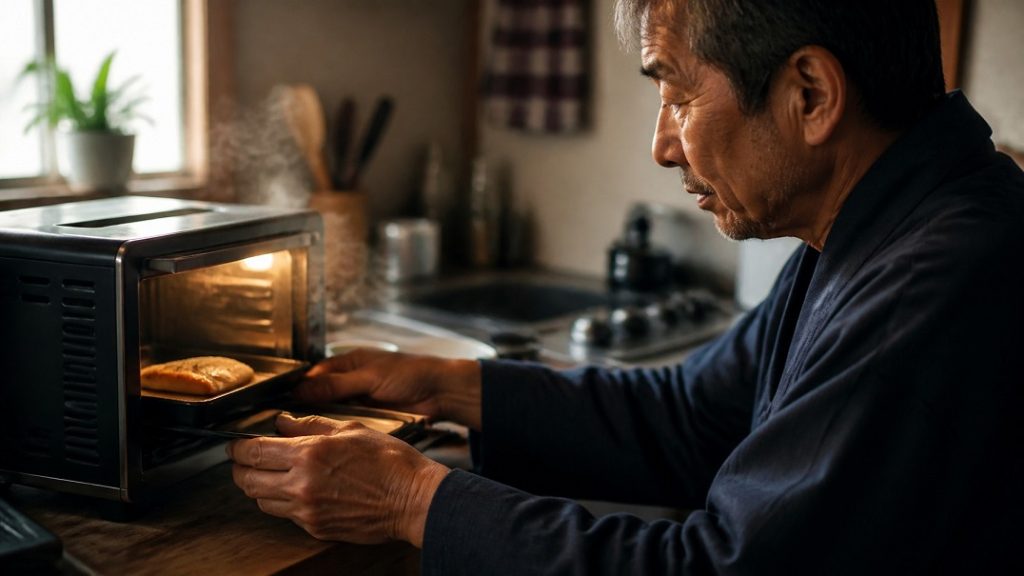
| Toaster oven or small air fryer | Cooks a single portion of protein, like chicken, fish, or eggs, without heating a full-size oven |
| Small (2 to 4 cup) rice cooker | Cooks grains in appropriately small quantities without the guesswork of stovetop timing |
| Single-serving blender | Makes a protein smoothie without needing to clean a full-size blender pitcher |
| Small (1 to 2 quart) saucepan | More appropriately sized for cooking eggs, soups, or single portions of grains than a large stockpot |
None of these require replacing a full kitchen setup entirely. Rather, they’re useful additions for the specific, recurring task of preparing smaller portions without the mismatch of using oversized equipment for a small job.
Tools That Make Portioning and Planning Easier
A Kitchen Scale
A basic digital kitchen scale is one of the more underrated tools for anyone trying to consistently hit a specific protein target. Rather than estimating that a piece of chicken “looks about right,” weighing a portion takes the guesswork out entirely and makes it much easier to track whether you’re actually reaching the protein amounts covered in protein needs as you age. This is a low-cost tool, generally inexpensive, that pays off in improved consistency far beyond its price.
Portion-Control Containers
Small, stackable containers designed for single servings make it realistic to cook a larger batch of a protein source once and portion it into individual meals for the following several days, rather than needing to cook fresh, small portions every single time. This shifts some of the cooking effort to a single, less frequent session rather than a daily task.
A Reliable Food Thermometer
Cooking a smaller portion of meat or poultry can actually make it easier to overcook, since less mass means the internal temperature changes more quickly than in a larger cut. An inexpensive instant-read thermometer removes the guesswork and reduces the temptation to either undercook out of caution or overcook into dryness and toughness, both of which can make solo cooking feel like more of a chore than it needs to be.
Batch Cooking and Freezing: Working Smarter, Not Harder
One of the more effective strategies for solo cooking isn’t a single tool but a general approach: cooking a slightly larger batch of a protein source periodically and freezing individual portions for later, rather than cooking fresh at every meal. A few tools support this approach well.
- Freezer-safe, stackable containers or silicone portion trays sized for a single serving of cooked protein.
- A vacuum sealer or basic zip-top freezer bags to reduce freezer burn on stored portions.
- Masking tape and a marker for labeling contents and dates, since a freezer full of unlabeled containers quickly becomes difficult to manage.
This approach means a single, slightly larger cooking session, perhaps once a week, can supply protein-forward meals for several days without needing to cook from scratch every time appetite or energy is lower than usual.
Simplifying Recipes Rather Than Just Scaling Them Down
Rather than trying to mathematically divide a four-serving recipe into a quarter portion, which often leads to odd measurements like a third of an egg, it’s often easier to choose naturally single-serving-friendly proteins and preparations. Individual portions of protein, a single chicken thigh, a can of tuna or salmon, a couple of eggs, or a single protein shake, sidestep the scaling problem entirely rather than requiring you to divide a larger recipe down.
Making Cleanup Part of the Equation
Cleanup effort is an underrated reason people avoid cooking, and it applies just as much to solo cooking as to cooking for a family. A full-size pot or pan used for a single serving still requires the same washing effort as if it had fed four people, which can make a quick, low-effort meal feel disproportionately like a chore once cleanup is factored in. Smaller cookware sized appropriately for one or two servings reduces this friction meaningfully. Non-stick, dishwasher-safe options in particular reduce the active cleanup time, which matters more than it might seem on days when energy or motivation for cooking is already lower than usual.
Choosing Tools That Reduce Physical Strain
A few kitchen tools are worth choosing specifically with strength and grip in mind, tying this category back to the broader theme of this site. Electric can openers reduce the grip and wrist strength required compared to a manual can opener, which matters for anyone relying on canned proteins like tuna, salmon, or beans as a convenient protein source. Lightweight cookware with easy-grip handles reduces the strain of lifting a pot or pan, particularly when filled with food. And a jar opener, a small, inexpensive tool that provides leverage against a stuck lid, addresses one of the most commonly reported frustrations for anyone with reduced grip strength, without requiring you to skip a food simply because the jar won’t open.
A Reasonable Starting Point
If you’re building out a solo-cooking kitchen setup from scratch, a kitchen scale, a small toaster oven or air fryer, and a set of stackable portion containers cover a large share of the practical challenges of preparing protein-forward meals for one person, without requiring a full kitchen overhaul or a significant financial investment.
Where to Go From Here
For a broader look at protein sources that work well in smaller, simpler preparations, best protein sources for older adults is a useful companion article.